

Buy Art Online 2024: Discover a World of Masterpieces at Your Fingertips
In this digital age, the art world has moved online, offering art enthusiasts the opportunity to discover and buy masterpieces at their fingertips. The online art market has revolutionized the way we buy and appreciate art, making it more accessible than ever before. Whether you’re a seasoned collector or a novice looking to explore the realm of art, the online marketplace offers a wealth of possibilities. Let’s delve into the world of online art and uncover the endless treasures that await.
Understanding the Online Art Market
The rise of the internet has given birth to digital art galleries, providing a platform for artists to showcase their works and collectors to find new additions to their collections. With just a few clicks, collectors can discover and purchase artworks from around the world, transcending geographical boundaries and connecting artists with art enthusiasts on a global scale.
The Rise of Digital Art Galleries
Digital art galleries have emerged as the go-to destination for art enthusiasts seeking an unparalleled selection of artworks. These online platforms showcase an extensive collection of paintings, sculptures, photographs, and more, allowing collectors to browse and buy from a vast range of options.
One of the advantages of digital art galleries is the ability to explore different artists and styles from the comfort of your own home. No longer limited by physical proximity, art lovers can now discover hidden gems from emerging artists in remote corners of the world. This accessibility has opened up new opportunities for both artists and collectors, fostering a global community of art enthusiasts.
Types of Art Available Online
When it comes to buying art online, the choices are seemingly limitless. From classic masterpieces to contemporary creations, you can find artworks spanning various genres, styles, and mediums. Whether you prefer abstract paintings or realistic portraits, landscape photography or mixed media installations, the online art market caters to every artistic taste.
Moreover, digital art galleries often curate themed exhibitions, allowing collectors to explore specific genres or movements. These curated collections provide a unique opportunity to delve deeper into a particular artistic style or period, enhancing the overall art-buying experience.
How to Navigate the Online Art Market
Navigating the online art market may seem daunting, but with a few pointers, you’ll be able to explore with ease. Start by setting a budget and determining the type of art you’re interested in. Research reputable online galleries and auction houses, reading reviews and checking for certifications to ensure a secure buying experience.
Furthermore, many online platforms offer additional resources to assist collectors in their decision-making process. These resources may include artist biographies, exhibition histories, and expert insights into the art market. By taking advantage of these resources, you can gain a deeper understanding of the artworks and artists you are considering, making informed purchasing decisions.
Take advantage of the zoom and view options provided by online platforms to examine the details of the artworks. This level of scrutiny is often not possible in traditional brick-and-mortar galleries, allowing you to appreciate the intricacies and nuances of the artwork before making a purchase.
Engage with the community by participating in online forums and discussions. By sharing your thoughts and opinions, you can connect with fellow art enthusiasts, exchange ideas, and expand your knowledge. The online art community is a vibrant and supportive space, where collectors and artists come together to celebrate creativity and foster meaningful connections.
By immersing yourself in the world of online art, you’ll soon become adept at navigating the market. With each new artwork you discover and each transaction you make, you’ll gain confidence and refine your own artistic taste. The online art market offers a wealth of opportunities for both seasoned collectors and those just starting their art journey. So, dive in and explore the vast and exciting world of online art!
Benefits of Buying Art Online
Convenience and Accessibility
One of the key benefits of buying art online is the convenience it offers. Gone are the days when you had to visit multiple galleries or attend auctions physically. With just a few clicks, you can explore an extensive collection of artworks from the comfort of your own home, at any time that suits you. This convenience extends to the accessibility of the art market, as you can now discover and connect with artists from around the world without the limitations of distance or travel.
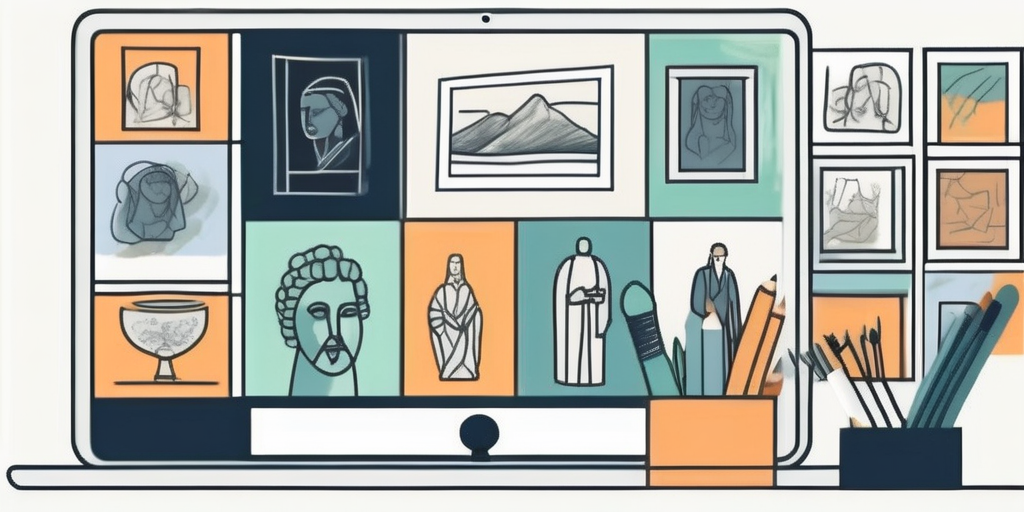
Imagine being able to browse through a virtual art gallery, where you can leisurely stroll from one room to another, admiring the brushstrokes of a masterpiece or the intricate details of a sculpture. With online platforms, you have the freedom to explore and appreciate art at your own pace, without the pressure of time constraints or crowded spaces. Whether you’re an art connoisseur or a casual enthusiast, the online art world welcomes you with open virtual doors, ready to showcase its diverse and captivating collection.
Wide Range of Choices
The online art market presents art enthusiasts with an unparalleled range of choices. With countless artists showcasing their works online, you have the opportunity to discover unique and one-of-a-kind pieces that may not have been accessible through traditional gallery channels. Whether you’re seeking a renowned artist’s masterpiece or a lesser-known talent’s hidden gem, the online art market offers a vast selection to cater to every preference.
Imagine stumbling upon an emerging artist whose work resonates with your soul, their vibrant colors and bold strokes capturing your attention. Through online platforms, you have the chance to directly connect with these artists, exchanging thoughts and stories behind their creations. You can witness their artistic journey unfold, from their early sketches to their latest exhibitions, fostering a deeper appreciation for their craft. The online art market not only broadens your choices but also invites you into the artist’s world, creating a more intimate and personal connection.
Affordable Options for Every Budget
Contrary to popular belief, buying art online doesn’t have to break the bank. The online art market encompasses artworks of various price ranges, catering to both seasoned collectors and those just starting their artistic journey. From affordable prints and limited editions to investment-worthy pieces, there are options available for every budget. Online platforms often offer the flexibility of installment plans and financing options, making art purchases more accessible and manageable.
Imagine finding a stunning piece of art that speaks to you, its beauty captivating your heart, only to discover that it fits perfectly within your budget. Online platforms not only provide a wide range of price points but also offer transparency and information about the artwork’s value, allowing you to make an informed decision. Whether you’re a seasoned collector looking to add to your collection or a first-time buyer eager to embark on your artistic journey, the online art market ensures that there is an affordable option waiting to be discovered by you.
Tips for Buying Art Online
Knowing What You’re Looking For
Before embarking on your online art buying journey, it’s essential to have a clear understanding of what you’re looking for. Research different artists, styles, and mediums to identify your personal preferences. Consider the theme, color palette, and size that resonates with you. By knowing your preferences, you’ll be able to focus your search and make more informed decisions.

Verifying Authenticity and Value
When buying art online, it’s crucial to verify the authenticity and value of the artworks. Look for online platforms that provide detailed information about the artists and their backgrounds. Pay attention to certifications, such as authentication certificates or provenance records, that accompany the artworks. If uncertain, seek expert advice or consult reputable art appraisers to ensure the legitimacy and value of your potential purchase.
Protecting Your Online Purchases
When buying art online, it’s important to protect your purchases. Ensure that the platform you choose offers secure payment methods and encryption for your financial transactions. Many online galleries provide shipping and insurance options to safeguard artworks during transit. Consider insuring your art collection to protect against loss, theft, or damage. By taking these precautions, you can enjoy your online art purchases with peace of mind.
Maintaining and Displaying Your Online Art Purchases
Proper Care for Your Art Pieces
Once you’ve acquired your online art pieces, it’s essential to provide them with proper care to ensure their longevity. Keep your artworks away from direct sunlight, extreme temperatures, and humidity. Regularly dust and clean your pieces using appropriate tools and techniques specific to the medium. Consider framing or mounting your artworks under the guidance of professional framers to enhance their presentation and protection.
Creative Ways to Display Your Art
When it comes to displaying your online art purchases, let your creativity soar. Experiment with different layouts and arrangements that complement your home decor and personal style. Mix and match different art pieces to create a visually captivating display. Consider rotating your displays periodically to keep your art collection fresh. Don’t be afraid to showcase your artworks in unexpected places like stairwells or hallways, infusing every corner of your living space with the beauty of art.
Buying art online opens up a world of opportunities for art enthusiasts to discover and acquire masterpieces from around the globe. The convenience, accessibility, and wide range of choices offered by the online art market make it an attractive avenue for both seasoned collectors and beginners. By understanding the online art market, following essential tips, and caring for your art purchases, you can create a collection that brings joy and inspiration to your life.




 No products in the basket.
